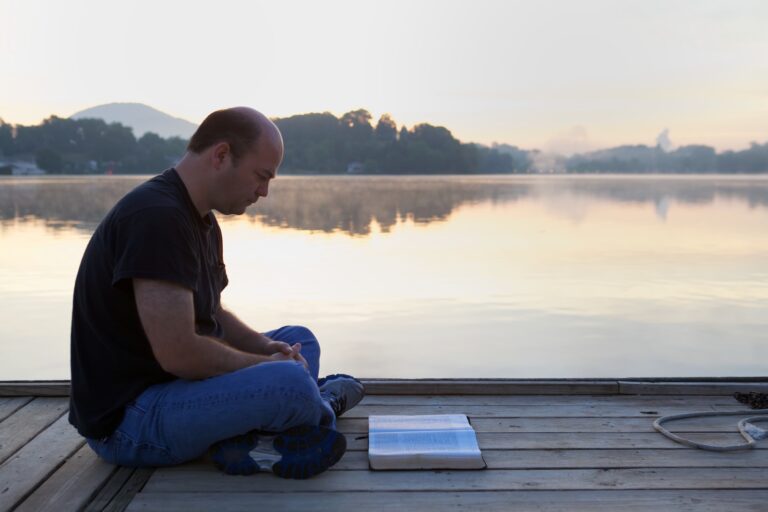
Stress and Anxiety Relief: Healing From Burnout
In today’s fast paced world, many people are silently carrying the weight of emotional exhaustion, constant stress, and overwhelming anxiety. Burnout has become increasingly common among individuals balancing careers, relationships, family responsibilities, and personal struggles. What often begins as temporary fatigue can slowly develop into deep mental and emotional exhaustion that affects every part of life.
Finding effective stress and anxiety relief is not about escaping responsibilities or pretending everything is fine. It is about learning how to restore balance, reconnect with yourself, and create healthier emotional habits that support long term healing. Recovery from burnout is possible, but it requires patience, self awareness, and intentional care.
Understanding Burnout and Emotional Exhaustion
Burnout is more than simply feeling tired after a long week. It is a state of emotional, physical, and mental depletion caused by prolonged stress. Many people experiencing burnout describe feeling disconnected, unmotivated, emotionally numb, or constantly overwhelmed.
Emotional exhaustion recovery often begins when people recognize that their bodies and minds have been operating in survival mode for far too long. Chronic stress can lead to anxiety, sleep disturbances, irritability, brain fog, and feelings of hopelessness. Over time, even small tasks may begin to feel impossible which is why stress and anxiety relief should be prioritised in the first place.
Mental exhaustion recovery requires acknowledging the emotional toll stress has taken and allowing yourself the space to heal without guilt.
Why Stress and Anxiety Build Up
Stress is a natural response to challenges, but when stress becomes constant, the nervous system remains in a heightened state of alertness. This ongoing tension can make it difficult to relax, think clearly, or feel emotionally safe.
For many individuals, anxiety develops from fear of failure, fear of disappointing others, uncertainty about the future, or unresolved emotional pain. Overcoming fear and anxiety starts with understanding that these feelings are signals, not weaknesses.
Stress and anxiety relief is a practice that shouldn’t be ignored. When people ignore stress for too long, the mind and body eventually force a pause through burnout. This is why healing from burnout is not simply about resting for a weekend. It requires rebuilding emotional resilience and changing the patterns that created exhaustion in the first place.
Effective Stress Relief Strategies for Healing
The journey toward recovery looks different for everyone, but certain stress relief strategies can help restore emotional balance and reduce anxiety naturally.
Prioritize Rest Without Guilt
Rest is not laziness. It is an essential part of healing. Many burned out individuals feel guilty when they are not being productive, but constant productivity without restoration leads to deeper exhaustion.
Creating regular moments of rest throughout the day allows the nervous system to calm down. Even small pauses can improve emotional clarity and reduce anxiety levels.
Reconnect With Your Body
Stress and anxiety often disconnect people from their physical needs. Gentle movement such as walking, stretching, yoga, or deep breathing exercises can help release stored tension and regulate emotions.
Practicing mindfulness and breathing techniques has been shown to reduce stress and improve emotional well being. My blogs offer helpful guidance for managing daily stress in healthy ways.
Set Emotional Boundaries
One of the most overlooked causes of burnout is constantly giving energy without protecting personal limits. Learning to say no, limiting toxic interactions, and allowing yourself emotional space are important parts of recovery.
Healthy boundaries create room for healing and help prevent recurring emotional exhaustion.
Focus on Small Daily Healing Habits
Healing from burnout rarely happens overnight. Small consistent actions often create the biggest emotional shifts. Drinking enough water, maintaining a sleep routine, journaling, spending time outdoors, or talking with a trusted friend can gradually improve mental health.
Consistency matters more than perfection during recovery.
Overcoming Fear and Anxiety During Recovery
Many people fear slowing down because they worry they will fall behind or lose control. However, ignoring emotional exhaustion only prolongs suffering.
Overcoming fear and anxiety requires practicing self compassion instead of self criticism. Healing involves learning that your worth is not measured by constant productivity. You are allowed to rest, heal, and prioritize your mental well being.
Seeking support can also make a significant difference. Therapy, support groups, or trusted communities can provide encouragement and tools for navigating difficult emotions. The resources available through Life After Tragedy can also offer valuable emotional support and guidance for individuals facing overwhelming life challenges.
Giving Yourself Permission to Heal
Burnout recovery is not about becoming the person you were before stress overwhelmed you. It is about becoming healthier, more self aware, and emotionally grounded moving forward.
Healing takes time, especially when emotional exhaustion has built up over months or years. There may be setbacks along the way, but every small step toward caring for your mental and emotional health matters.
Stress and anxiety relief begins with recognizing that you deserve peace, balance, and emotional restoration. By slowing down, listening to your needs, and practicing intentional self care, healing becomes possible one day at a time.
No matter how exhausted you feel today, recovery is still within reach. Your healing journey deserves patience, compassion, and hope.