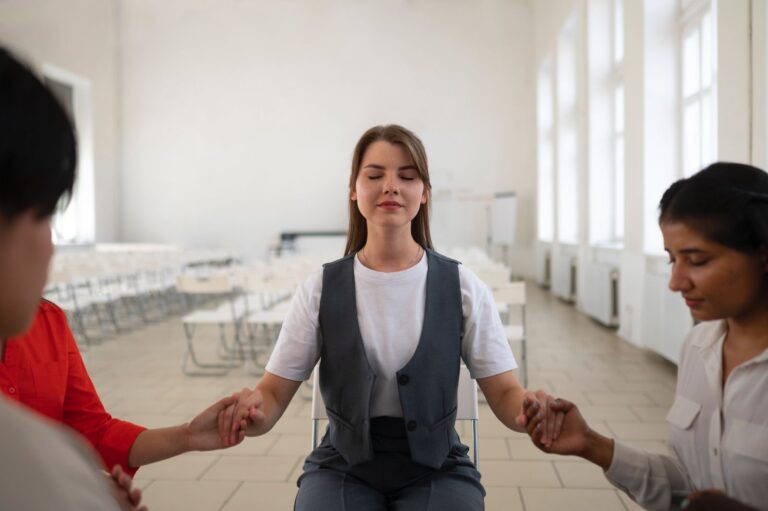
How To Deal With Feeling Overwhelmed
There are moments in life when everything feels too heavy to carry. Responsibilities pile up, emotions become difficult to manage, and even the smallest tasks can feel exhausting. Whether the pressure comes from work, family responsibilities, personal loss, financial stress, or emotional struggles, feeling overwhelmed is something many people experience at different stages of life. But the question arises “How to deal with feeling overwhelmed?”
In those moments, it may feel as though your mind never slows down. Your thoughts race, your emotions feel unsteady, and peace seems far away. Learning how to deal with feeling overwhelmed is not about pretending everything is perfect. It is about finding healthy ways to regain calm, restore balance, and move forward one step at a time.
The good news is that overwhelming seasons do not last forever. With patience, self awareness, and the right emotional support, it is possible to find calm again.
Recognizing the Signs of Emotional Overwhelm
Many people ignore the early signs of stress until their emotional health begins affecting every part of life. Feeling overwhelmed can show up in different ways. Some people experience constant worry and anxiety, while others feel emotionally numb, irritable, exhausted, or mentally drained.
You may notice difficulty sleeping, loss of motivation, trouble concentrating, or feeling emotionally disconnected from the people around you. Sometimes the mind becomes so overloaded that even simple decisions feel impossible to make.
Recognizing these signs early is important because awareness is the first step toward healing. Instead of criticizing yourself for struggling, allow yourself to acknowledge that you are carrying more than your mind and body can comfortably handle right now.
Why Slowing Down Matters
In today’s fast paced world, many people feel pressured to keep going no matter how exhausted they become. Society often praises productivity while ignoring emotional well being. However, constantly pushing yourself without rest can increase anxiety, emotional burnout, and mental exhaustion.
One of the most effective mental wellness strategies is learning to slow down intentionally. Rest is not weakness. It is necessary for emotional recovery and inner peace.
Sometimes calm begins with very small actions. Taking a deep breath before reacting, stepping outside for fresh air, turning off unnecessary distractions, or allowing yourself a quiet moment during the day can make a meaningful difference. These simple pauses help calm the nervous system and create space for clearer thinking.
Practical Stress Management Techniques
When life feels chaotic, having healthy coping tools can help you regain emotional stability. Effective stress management techniques do not need to be complicated. Often, consistency matters more than perfection.
Here are a few calming practices that can help during overwhelming seasons:
Focus on One Thing at a Time
Overwhelm often grows when we try to handle everything at once. Instead of thinking about every problem at the same time, focus on completing one small task first. Small progress creates momentum and helps reduce mental pressure.
Create Healthy Boundaries
Many people become emotionally drained because they constantly give their energy to others without protecting their own peace. Setting healthy boundaries with work, relationships, and commitments is an important part of emotional balance practices.
It is okay to say no when your mind and body need rest.
Practice Deep Breathing
Breathing exercises may seem simple, but they are powerful tools for calming an anxious mind. Slow, intentional breathing signals safety to the body and helps reduce feelings of panic or tension.
Spend Time Away From Screens
Constant exposure to social media, news, and digital noise can increase stress and emotional comparison. Taking breaks from technology allows the mind to rest and refocus.
Stay Connected to Supportive People
During difficult seasons, isolation can make emotional struggles feel heavier. Talking with trusted friends, family members, or mentors can provide encouragement and comfort when life feels overwhelming.
Finding Emotional Balance Through Faith and Reflection
For many people, faith becomes a source of strength during stressful seasons. Prayer, reflection, and quiet spiritual moments can provide comfort when emotions feel unsteady. Even a few moments of stillness each day can help restore perspective and peace.
At Life After Tragedy, encouragement and healing resources remind readers that emotional struggles do not define their future. Difficult seasons may shape us, but they do not have to break us.
Faith does not remove every hardship instantly, but it can offer hope, clarity, and emotional strength during uncertain times.
Letting Go of the Pressure to Be Perfect
One of the biggest causes of emotional overwhelm is the pressure to have everything figured out. Many people feel they must always stay strong, remain productive, or meet unrealistic expectations.
The truth is that healing and growth are not perfect journeys. Some days will feel easier than others. There will be moments when progress feels slow. That does not mean you are failing.
Learning healthy ways of coping with life pressure includes giving yourself grace during difficult moments. You are allowed to rest. You are allowed to ask for help. You are allowed to move forward at your own pace.
According to my blogs, healthy coping strategies such as emotional support, self care, and stress reduction techniques can improve emotional resilience and overall well being.
Final Thoughts
Life can feel overwhelming at times, especially when challenges seem to arrive all at once. But even during stressful seasons, calm can return. Healing begins by acknowledging your emotions, slowing down, and taking small intentional steps toward peace.
If you are learning how to deal with feeling overwhelmed, remember that you do not need to solve everything overnight. Focus on caring for your mind, protecting your peace, and giving yourself permission to rest when needed.
Little by little, clarity returns. Strength grows quietly. And eventually, what once felt impossible to carry becomes lighter with time, support, and hope.