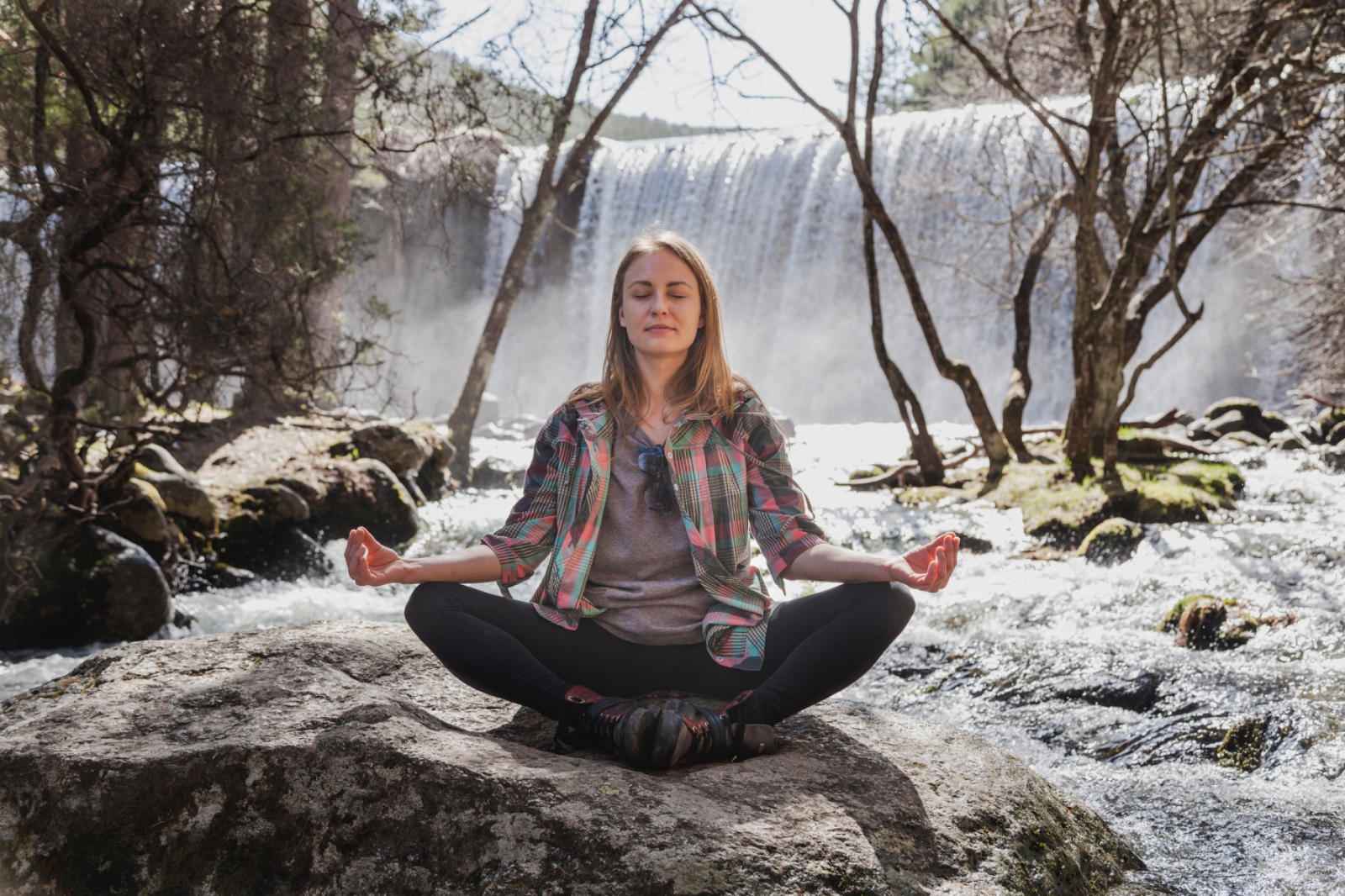
Mindfulness For Healing: Finding Emotional Balance
Life has a way of leaving emotional marks on all of us. Whether it comes from loss, stress, heartbreak, trauma, or daily pressure, emotional exhaustion can quietly affect the way we think, feel, and move through life. In the middle of chaos, many people search for something that can help them feel grounded again. This is where mindfulness for healing becomes a powerful and transformative practice.
Mindfulness is not about pretending pain does not exist. It is about learning how to sit with your emotions gently, without judgment, and creating space for healing to begin naturally. When practiced consistently, mindfulness can help restore emotional balance, bring clarity to overwhelming thoughts, and guide you toward finding peace within yourself.
Understanding Mindfulness and Emotional Healing
Mindfulness is the practice of being fully present in the current moment. Instead of replaying painful memories from the past or worrying about the future, mindfulness teaches us to focus on what is happening right now with awareness and compassion.
Emotional healing does not happen overnight. It is a gradual process that requires patience, self acceptance, and inner awareness. Through mindfulness, individuals begin to recognize their emotional triggers, reduce mental clutter, and reconnect with themselves on a deeper level.
My blogs highlights how mindfulness practices can help reduce stress, anxiety, and emotional overwhelm. These practices encourage the mind and body to slow down, making it easier to process emotions in a healthy way.
How Mindfulness Helps Restore Emotional Balance
Many people struggle with emotional imbalance because they spend so much time suppressing feelings or constantly reacting to stress. Mindfulness creates a pause between emotions and reactions. That pause can change everything.
When you become mindful, you begin to notice your thoughts without letting them control you. Instead of fighting sadness, anger, or fear, you learn to acknowledge these emotions with compassion. This gentle awareness can lead to finding emotional balance and improving overall emotional well being.
Mindfulness also helps regulate the nervous system. Deep breathing exercises, meditation, and grounding techniques calm the body and reduce feelings of panic or emotional exhaustion. Over time, these practices support restoring inner peace and create a stronger sense of emotional stability.
Simple Mindfulness Practices for Healing
You do not need hours of meditation to experience the benefits of mindfulness. Small daily habits can make a significant difference in your healing journey.
1. Practice Conscious Breathing
Take a few moments each day to focus only on your breath. Inhale slowly and exhale gently. This simple exercise helps calm racing thoughts and encourages finding inner calm during stressful moments.
2. Observe Your Thoughts Without Judgment
Instead of criticizing yourself for feeling anxious, sad, or overwhelmed, simply notice the emotion. Remind yourself that emotions are temporary experiences, not permanent identities.
3. Create Quiet Moments
Spend a few minutes away from distractions each day. Whether you sit outside, listen to calming sounds, or journal your feelings, these quiet moments help reconnect you with yourself.
4. Practice Gratitude
Mindfulness and gratitude work beautifully together. Reflecting on even small blessings can shift your perspective and bring more emotional balance into your daily life.
5. Stay Present
Healing often becomes harder when the mind constantly revisits painful memories or fears the future. Mindfulness gently brings your attention back to the present moment, where healing can truly happen.
Finding Peace Within Yourself
One of the most beautiful aspects of mindfulness is that it teaches you that peace is not something you have to search for outside yourself. Real healing begins internally.
Finding peace within yourself means learning to accept where you are in your journey without shame or pressure. Some days will feel lighter than others, and that is okay. Healing is rarely linear.
Mindfulness encourages self compassion during difficult moments. Instead of demanding perfection from yourself, you begin to offer yourself understanding and grace. This shift in mindset creates emotional resilience and allows deeper healing to unfold naturally.
If you are beginning your emotional healing journey, resources like Life After Tragedy can provide support, encouragement, and guidance for navigating life after emotional pain and personal loss.
The Connection Between Mindfulness and Inner Peace
In today’s fast paced world, many people feel disconnected from themselves. Constant stress, social pressure, and emotional burdens can leave the mind feeling restless and overwhelmed. Mindfulness offers a path back to stillness.
As you continue practicing mindfulness for healing, you may notice subtle but meaningful changes. Your thoughts may become calmer. Your reactions may become softer. Your heart may begin to feel lighter.
Finding inner calm does not mean life suddenly becomes perfect. It means learning how to remain grounded even during difficult times. It means creating emotional space where healing, hope, and self trust can grow again.
Final Thoughts
Healing emotionally is one of the most courageous journeys a person can take. It requires honesty, patience, and compassion toward yourself. Through mindfulness, it becomes possible to slow down, reconnect with your inner self, and begin restoring inner peace one moment at a time.
Mindfulness for healing is not about escaping emotions. It is about learning how to move through them with awareness and grace. As you continue this journey, remember that emotional healing is not a destination. It is a process of becoming more connected, balanced, and peaceful within yourself.
No matter how heavy life may feel right now, healing is possible. Sometimes, all it begins with is one mindful breath.