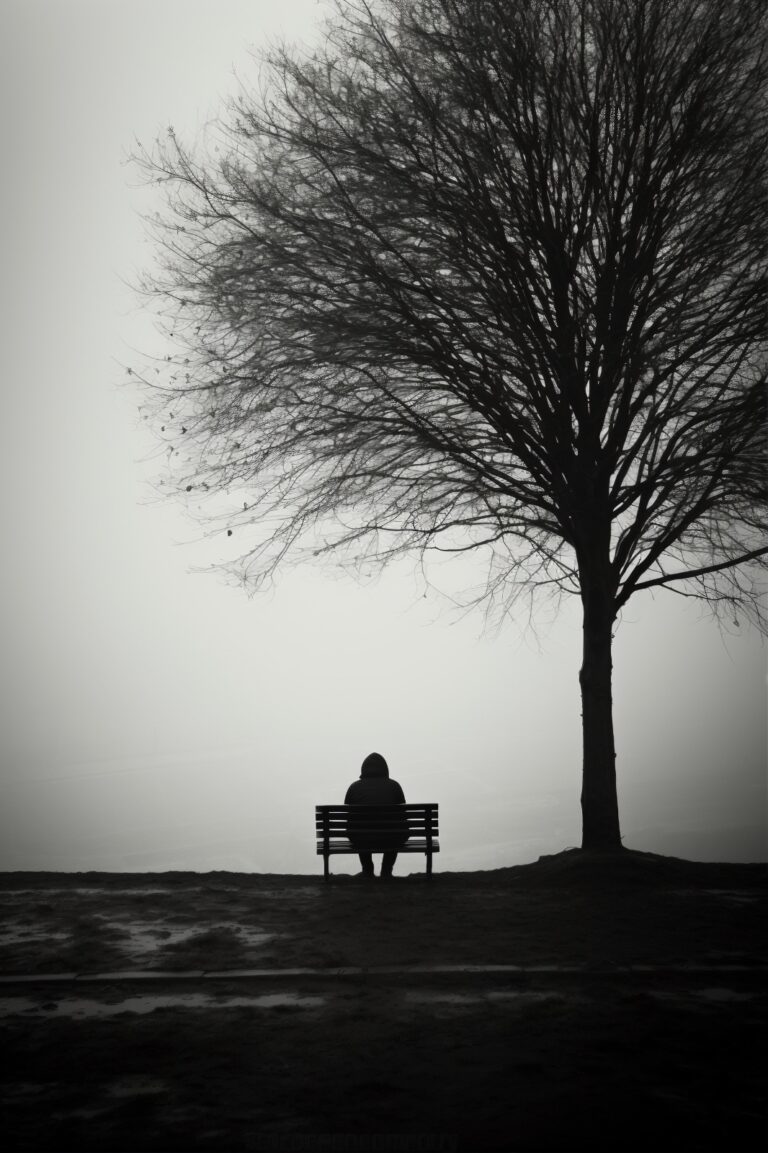
The Kintsugi Principle: Beauty in Brokenness
Life rarely unfolds the way we expect. Dreams fracture, relationships break, and painful experiences leave emotional scars we never anticipated. In these moments, many people feel permanently damaged, as if their story has lost its value.
Yet there is a powerful idea that challenges this belief. It comes from an ancient Japanese art form known as Kintsugi, a practice of repairing broken pottery using lacquer mixed with gold. Instead of hiding the cracks, Kintsugi highlights them. The fractures become part of the object’s beauty and history.
This idea offers a powerful metaphor for human healing. Our broken places do not have to diminish our worth. In many cases, they become the very spaces where strength, wisdom, and compassion grow. This is the essence of discovering beauty in brokenness.
When Life Breaks Us
Trauma can take many forms. It may come through loss, betrayal, illness, failure, or deep disappointment. These experiences often leave emotional wounds that take time to process and understand.
In the aftermath of pain, people frequently ask difficult questions:
- Why did this happen to me?
- Will I ever feel whole again?
- How do I move forward after everything has changed?
These questions are part of the journey of healing from emotional pain. Healing rarely happens overnight. It unfolds slowly, often in ways we cannot fully see while we are still in the middle of the struggle.
In one of the previous articles of my blog series, “Finding Purpose in Pain,” we explored how suffering can lead to deeper faith and spiritual transformation. While purpose may not appear immediately, hardship often becomes the soil where growth eventually takes root.
Just like a shattered piece of pottery, the first step is acknowledging the break.
Ignoring pain does not heal it. But facing it honestly opens the door to restoration.
The Kintsugi Mindset
The Kintsugi principle teaches that brokenness does not erase value. Instead, it tells a story of survival.
When pottery is repaired through Kintsugi, the gold-filled cracks make the object more unique than it was before it broke. The damage becomes part of its identity rather than something to hide.
This perspective can reshape how we view our own struggles.
The hardships we endure can become sources of wisdom, empathy, and courage. What once felt like weakness may eventually reveal itself as strength.
This is the essence of turning pain into strength. It does not mean the pain was good or desirable. Rather, it means growth can emerge from experiences that once felt devastating.
Resilience After Trauma
One of the most powerful outcomes of hardship is resilience. People who have faced deep struggles often develop a remarkable ability to endure challenges and support others through theirs.
Resilience after trauma is not about pretending the pain never happened. Instead, it involves learning how to live with the experience while continuing to move forward.
Resilient individuals often share several common practices:
- allowing themselves to grieve and process emotions
- seeking support from trusted friends or mentors
- rebuilding hope step by step
- viewing their story as unfinished rather than broken
Over time, these practices transform survival into strength.
Personal Growth After Hardship
Some of the most meaningful transformations occur after seasons of adversity.
Many people report that difficult experiences changed their perspective on life. They begin to value relationships more deeply. They develop stronger empathy for others. They discover inner strength they did not know they possessed.
This is what experts often describe as personal growth after hardship.
Growth does not erase the past, but it reshapes the future. The lessons learned through struggle often become guiding principles that influence how someone lives and serves others.
The cracks remain, but they are filled with wisdom.
Finding Strength in Difficult Times
When life feels overwhelming, strength can seem distant. Yet strength often grows quietly during the moments when we believe we have none left.
Finding strength in difficult times often begins with small, consistent steps.
It might look like getting through one difficult day.
It might mean reaching out for help when pride says to stay silent.
It might involve choosing hope even when the future feels uncertain.
Strength rarely appears as dramatic courage. More often, it shows up as persistence.
Each step forward becomes part of the repair process.
Healing From Emotional Pain
Healing is rarely linear. Some days feel hopeful, while others reopen old wounds. This fluctuation is a normal part of healing from emotional pain.
True healing involves reflection, patience, and support. Allowing yourself to process pain while remaining open to restoration is a crucial part of the journey.
If you are walking through a difficult season, you may find encouragement and faith-based guidance through the resources available at https://lifeaftertragedy.org, where readers can explore messages of hope, recovery, and healing after life’s most painful moments.
Over time, the pain that once felt overwhelming becomes more manageable. It does not disappear entirely, but it changes shape.
Like the golden seams in Kintsugi pottery, healed wounds remind us that restoration is possible.
Embracing the Beauty in Brokenness
The Kintsugi principle reminds us that perfection is not the goal of a meaningful life. Wholeness often includes scars.
Our struggles, losses, and failures do not erase our value. In many ways, they deepen it. They shape our character and expand our ability to understand others.
When we embrace beauty in brokenness, we begin to see our story differently. The painful chapters are no longer only symbols of loss. They become evidence of survival and transformation.
What once felt like the end of the story may actually be the beginning of a stronger, wiser version of ourselves.
The cracks in your life do not mean you are ruined.
They mean your story is still being repaired with gold.