How to Develop Self-Awareness Through 5 Exercises and Understand Yourself Better
Have you ever wondered why you react a certain way in difficult situations, struggle to express your emotions, or find yourself repeating the same patterns in life? Sometimes, the answers we seek are not found in changing our circumstances but in understanding ourselves more deeply.
Self-awareness is the ability to recognize your emotions, thoughts, values, strengths, weaknesses, and behavioral patterns. It helps you understand why you make certain decisions, how you respond to challenges, and what truly matters to you. Whether you are working toward personal growth, navigating a difficult season, or rebuilding your confidence after a painful experience, developing self-awareness can help you move forward with greater clarity and purpose.
The good news is that self-awareness is a skill you can strengthen with consistent practice. By incorporating a few simple exercises into your daily routine, you can begin understanding yourself better and making choices that reflect the person you want to become.
Why Is Self-Awareness Important for Personal Growth?
Before exploring how to develop self awareness, it is helpful to understand why this skill matters.
When you become more aware of your inner world, you can recognize emotional triggers, identify unhelpful habits, and respond to situations more thoughtfully. Instead of allowing frustration, fear, or self-doubt to control your decisions, you learn to pause, reflect, and choose a healthier response.
The benefits of self awareness also extend to your relationships. Understanding your emotions makes it easier to communicate your needs, recognize personal boundaries, and appreciate perspectives different from your own.
For individuals recovering from loss, disappointment, or major life changes, self-awareness can be particularly valuable. Difficult experiences may change how you view yourself and the world around you. Taking time to understand those changes can help you reconnect with your values, recognize your inner strengths, and gradually rebuild a sense of direction.
Self-awareness does not mean having every answer. It means being willing to ask honest questions and remain open to what you discover.
5 Self-Awareness Exercises to Help You Understand Yourself Better
1. Practice Daily Self-Reflection
One of the simplest self awareness exercises is setting aside a few minutes each day to reflect on your thoughts, emotions, and experiences.
Throughout the day, you may experience feelings without fully understanding where they come from. Daily reflection allows you to slow down and examine those feelings rather than automatically reacting to them.
At the end of each day, ask yourself:
- What made me feel happy, frustrated, or anxious today?
- When did I feel most confident and comfortable being myself?
- Was there a moment when I reacted emotionally instead of responding thoughtfully?
- What did today’s experiences teach me about myself?
Write your answers in a notebook without judging yourself. The goal is not to criticize your actions but to recognize patterns and understand your responses.
Over time, this habit can help you identify what supports your emotional well-being and what may need to change.
2. Keep an Emotion Journal
Sometimes, we know we are upset but struggle to explain why. An emotion journal can help you identify feelings that might otherwise remain unclear.
Whenever you experience a strong emotion, write down what happened, how you felt, and what you think triggered that response. For example, you might notice that you feel anxious when receiving criticism or discouraged when comparing your progress with someone else’s achievements.
Once you recognize these patterns, you can begin exploring the beliefs and experiences behind them.
Ask yourself whether your emotional response reflects the current situation or whether it may be influenced by previous experiences. You might discover that certain situations remind you of earlier disappointments or make you question your self-worth.
Remember that emotions are not weaknesses. They provide information about your needs, boundaries, and concerns. Learning to acknowledge them without allowing them to control your decisions is an important part of improving self awareness.
3. Identify Your Core Values
Your values influence the decisions you make, the relationships you build, and the kind of life you want to lead. However, it is easy to lose sight of these values when you become overwhelmed by responsibilities, expectations, or other people’s opinions.
Take a few minutes to identify five values that matter most to you. These might include honesty, faith, compassion, family, personal growth, independence, or helping others.
Next, consider whether your everyday choices reflect those values.
For example, if personal growth is important to you, are you making time to learn new skills? If family is a priority, are you nurturing those relationships? If peace matters to you, are you setting boundaries that protect your emotional well-being?
This exercise can reveal areas where your actions and beliefs are aligned, as well as areas that deserve greater attention.
Understanding your values helps you make decisions with greater confidence. Rather than constantly seeking approval, you can begin choosing what feels meaningful and appropriate for your own life.
4. Recognize Your Strengths and Areas for Improvement
Developing self-awareness involves acknowledging both your strengths and the areas where you can grow. Neither side tells your entire story.
Start by writing down three personal strengths. Consider qualities such as patience, creativity, resilience, empathy, adaptability, or problem-solving. Think about situations in which you have demonstrated these qualities, especially when facing challenges.
Next, identify two areas you would like to improve. Perhaps you struggle with setting boundaries, managing stress, communicating your feelings, or maintaining consistency with your goals.
For a more balanced perspective, ask someone you trust to share what they believe your strengths are and where they see opportunities for growth.
You may discover qualities you have overlooked or habits you had not previously recognized.
The purpose is not to create a list of flaws. It is to develop an honest understanding of yourself so you can use your strengths more effectively and approach your challenges with a willingness to learn.
When you recognize what you bring to the table, you can begin building confidence based on self-understanding rather than comparison.
5. Practice Mindfulness and Observe Your Reactions
Mindfulness encourages you to pay attention to the present moment without immediately judging your thoughts or feelings. It can be especially helpful when you want to understand your emotional reactions and develop greater control over your responses.
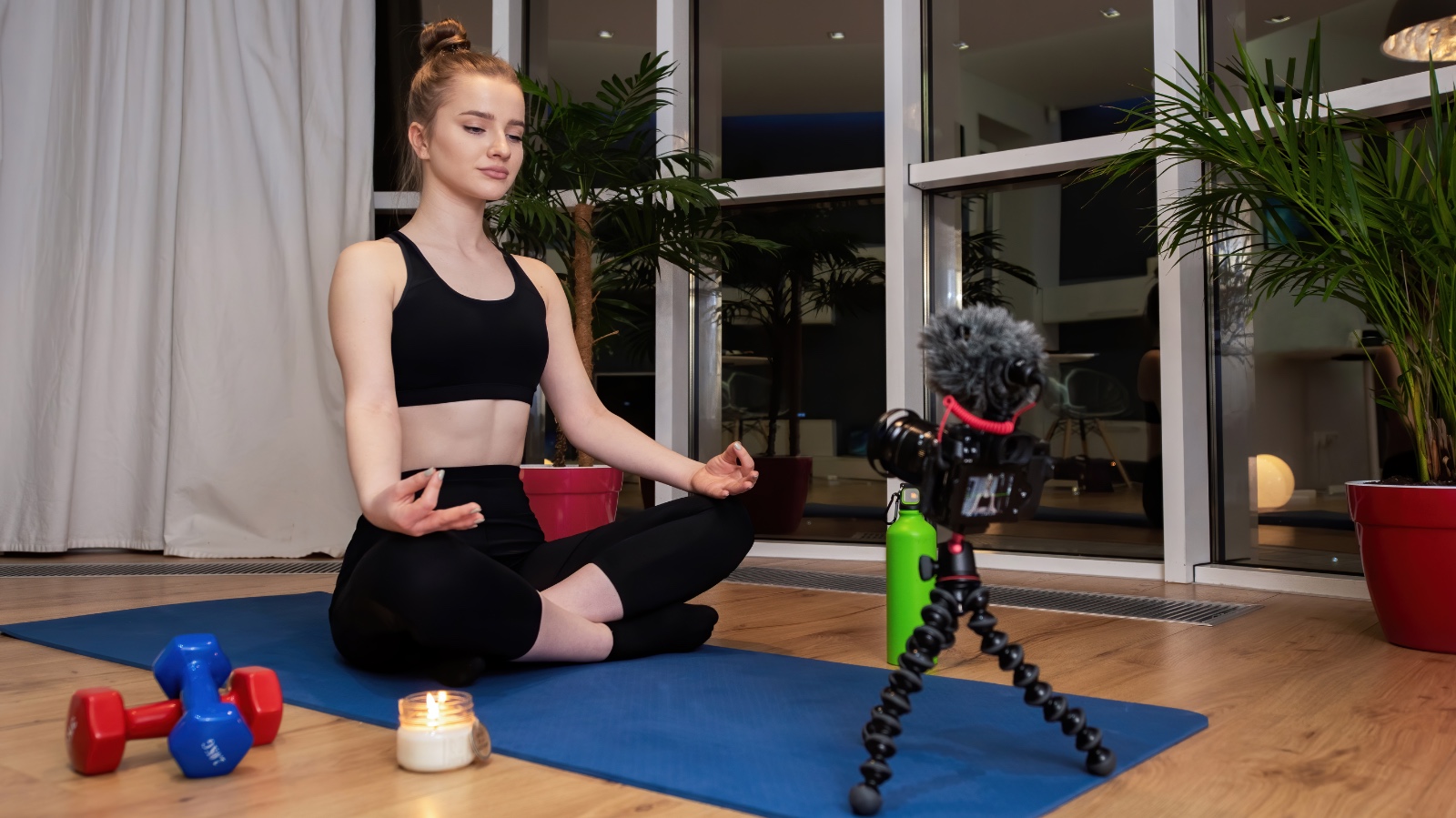
Begin with five minutes of quiet time each day. Sit comfortably, breathe slowly, and notice what is happening in your mind and body.
When a thought arises, acknowledge it without trying to push it away. If you notice frustration, for example, simply recognize that you are feeling frustrated. If you feel worried about the future, acknowledge the worry and gently return your attention to the present.
You can also practice mindfulness during everyday situations. Before responding to a difficult message or entering a stressful conversation, pause and ask yourself:
- What am I feeling right now?
- What is causing this reaction?
- How would I like to respond?
- What response would reflect my values?
These brief pauses can help you recognize your triggers and make more intentional choices.
With consistent practice, mindfulness can become a useful tool for understanding yourself better and responding to life’s challenges with greater patience.
How to Make Self-Awareness a Lasting Habit
You do not need to complete all five exercises every day. Start with the one that feels most comfortable and dedicate a few minutes to it consistently.
Be patient with yourself as you begin noticing patterns you may not have recognized before. Self-awareness sometimes reveals uncomfortable truths, but those discoveries can become opportunities for meaningful change.
It is equally important to approach yourself with compassion. Recognizing a mistake does not mean defining yourself by it. Understanding a difficult emotion does not mean you must resolve it immediately.
If you are navigating a painful experience or trying to rediscover your identity after a major life change, give yourself permission to grow at your own pace. You may find additional encouragement in Life After Tragedy’s 7 Steps to Renew Your Life After a Tragedy, which explores awareness, acceptance, personal strengths, and transformation as part of the healing journey.
Self-awareness is not about becoming a perfect version of yourself. It is about developing a more honest, compassionate, and balanced relationship with who you are today.
Final Thoughts
Learning how to develop self awareness is a meaningful step toward personal growth, emotional understanding, and a more intentional life. Through daily reflection, emotional journaling, identifying your values, recognizing your strengths, and practicing mindfulness, you can gradually develop a clearer understanding of yourself.
As your self-awareness grows, you may begin to notice changes in how you handle challenges, communicate with others, and make decisions. You may also discover strengths you previously underestimated and recognize patterns that no longer serve you.
Remember that understanding yourself is an ongoing journey. Some days will bring clarity, while others may leave you with more questions than answers. Both are part of the process.
Give yourself the time and patience you deserve. Every moment you spend listening to your inner thoughts, understanding your emotions, and making choices that reflect your values brings you one step closer to a more fulfilling life.