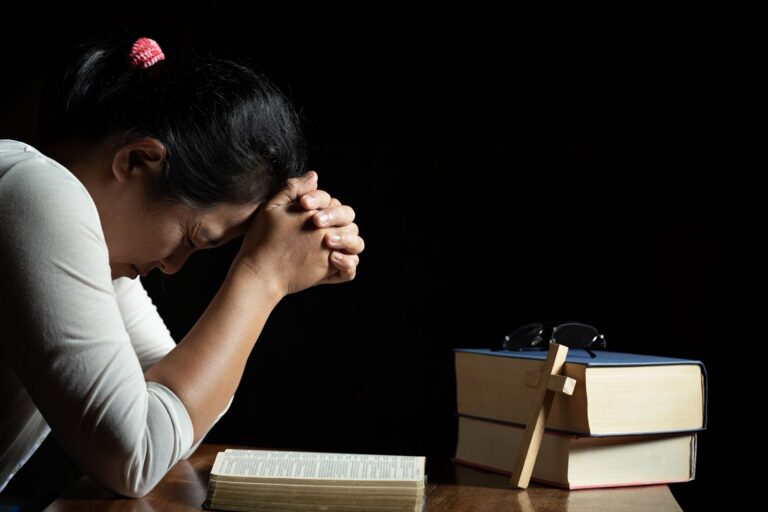
Living With Grief: Finding Peace After Loss
Grief changes life in ways that words often cannot explain. Whether the loss comes from death, heartbreak, separation, or another painful life transition, the emotional impact can feel overwhelming. Many people spend days, months, or even years trying to understand how to keep going while carrying such deep pain. Living with grief is not about forgetting what was lost. It is about learning how to continue life while honoring the memories, emotions, and experiences that shaped you.
Everyone experiences grief differently. Some people cry openly, while others become quiet and withdrawn, and some even keep living with grief without expressing it. Some feel anger, confusion, guilt, or exhaustion. There is no perfect timeline for healing, and there is no “right” way to grieve. What matters most is giving yourself permission to feel what you feel without judgement.
One of the hardest parts of grief is accepting that life will never look exactly the same again. Loss often changes routines, relationships, and even personal identity. A person who once felt strong and confident may suddenly feel lost and uncertain. This is why emotional support and self compassion are essential during the healing process.
While grief can feel isolating, it is important to remember that healing is possible. Finding peace after loss does not mean the pain completely disappears. Instead, it means learning how to carry the loss in a healthier and more manageable way. Over time, many people begin to discover moments of hope, connection, and even joy again.
Allow Yourself to Grieve
Many people try to suppress grief because they believe they need to stay strong for others. Unfortunately, ignoring emotional pain often causes it to grow heavier over time. Healing begins when you allow yourself to process emotions honestly.
Some days may feel manageable, while others may feel impossible. Both experiences are normal. Grief often comes in waves, and certain memories, dates, or places can trigger emotions unexpectedly. Rather than fighting those feelings, try to acknowledge them with patience and understanding.
Writing in a journal, speaking with trusted loved ones, or working with a grief counselor can provide healthy outlets for emotional expression. My blogs also offer helpful information on coping with grief and emotional healing.
Finding Hope After Loss
When loss is fresh, hope can feel distant. Many people wonder if they will ever feel normal again. The truth is that healing does not happen overnight, but small steps forward matter more than perfection.
Finding hope after loss often begins with reconnecting to simple parts of life. This may include spending time in nature, practicing prayer or meditation, exercising, or reconnecting with supportive people. These small moments help remind the mind and body that healing is still possible.
It is also important to recognize that grief and love are deeply connected. The pain exists because the relationship or experience mattered. Instead of viewing grief as weakness, try to see it as evidence of meaningful connection and deep care.
For many people, healing also involves finding purpose after tragedy. Supporting others, volunteering, sharing personal experiences, or becoming part of a support community can create a sense of connection and strength during difficult seasons.
Moving Forward After Heartbreak
Moving forward after heartbreak can feel frightening because many people fear they are “letting go” of the person or experience they lost. In reality, moving forward is not about forgetting. It is about learning how to continue living while keeping cherished memories close to your heart.
Healing often requires patience with yourself. Some days you may feel strong, and other days you may feel emotionally exhausted. Progress is rarely linear. What matters is continuing to care for yourself even during difficult moments.
Healthy routines can also make a significant difference during grief recovery. Eating nourishing meals, getting enough rest, and maintaining daily structure help support emotional stability during stressful times. Even small acts of self care can become powerful reminders that your wellbeing still matters.
Many people also find comfort through faith based encouragement, counseling, or grief recovery communities. Resources available through Life After Tragedy can provide encouragement and support for individuals navigating emotional pain and personal loss.
Finding Peace One Day at a Time
Peace after loss does not arrive all at once. It develops slowly through acceptance, support, reflection, and healing. Some scars may always remain, but wounds can become less painful over time.
Living with grief means learning how to hold both sorrow and hope together. It means allowing yourself to remember the past while still believing in the possibility of a meaningful future. Even after devastating loss, life can still contain love, purpose, healing, and connection.
If you are living with grief today, remind yourself that healing is not about rushing the process. It is about taking one step at a time and allowing yourself the grace to heal in your own way. With support, patience, and compassion, finding peace after loss becomes possible.