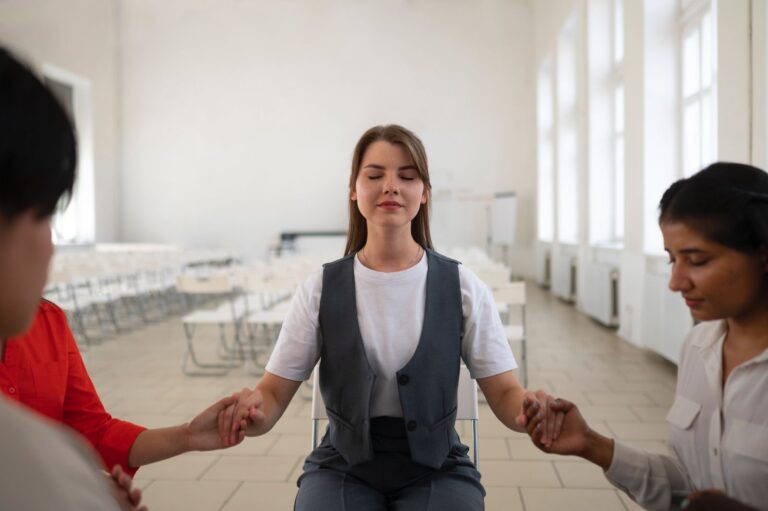
The Journey of Healing After Emotional Trauma
Emotional trauma can change the way a person sees themselves, others, and the world. It often leaves invisible wounds that are not easy to explain but are deeply felt in everyday life. For many people, the path forward feels unclear, overwhelming, and at times even impossible. However, healing after emotional trauma is not only possible, it is a gradual and deeply personal journey of rediscovering safety, strength, and hope.
At lifeaftertragedy.org, this journey is understood as something that unfolds step by step, not something that happens overnight. Healing is not about forgetting what happened, but about learning how to live with it in a way that no longer controls your present or your future.
Understanding Emotional Trauma and Its Impact
Emotional trauma can result from many different experiences such as loss, abuse, accidents, betrayal, or witnessing distressing events. While the causes may differ, the emotional impact often looks similar. People may experience anxiety, sadness, emotional numbness, difficulty trusting others, or feeling disconnected from themselves.
The trauma recovery process is not linear. Some days may feel like progress, while others may feel like setbacks. This does not mean healing is not happening. It simply reflects how deeply trauma affects the mind and body. Understanding this is the first important step toward compassion for oneself.
When someone begins the emotional healing journey, it often starts with awareness. Recognizing that the pain is valid and that support is needed can be both difficult and powerful at the same time.
The First Step: Acknowledging the Pain
One of the most important mental health healing steps is acknowledging what has happened and how it has affected you. Many people try to suppress painful emotions or “move on” too quickly, but unprocessed emotions often resurface later in stronger ways.
Acknowledgment does not mean reliving trauma constantly. Instead, it means gently accepting that the pain exists and deserves attention. This can be done through journaling, speaking with a trusted person, or seeking professional support. It is the foundation upon which all other healing is built.
Coping with Emotional Wounds in Healthy Ways
Learning coping with emotional wounds is an essential part of recovery. Coping does not mean eliminating pain instantly, but rather managing it in ways that do not cause further harm.
Some healthy coping strategies include:
- Practicing mindfulness and grounding techniques
- Engaging in physical activities like walking or yoga
- Expressing emotions through writing, art, or music
- Maintaining a consistent sleep routine
- Limiting exposure to triggers when possible
These methods help regulate emotional responses and create a sense of stability. Over time, they support emotional balance and reduce the intensity of distressing memories.
The Role of Support in Healing
No one should have to go through trauma recovery alone. Support from trusted individuals, support groups, or mental health professionals can significantly impact the healing process.
Talking about trauma in a safe environment can reduce feelings of isolation. It also helps individuals realize they are not alone in their experiences. A strong support system can provide encouragement during difficult moments and help reinforce progress during better times.
On lifeaftertragedy.org, resources are available to guide individuals toward understanding their emotions and finding meaningful support systems. You can explore more here at my website.
Rebuilding Life After Trauma
A significant part of rebuilding life after trauma involves redefining identity and restoring a sense of control. Trauma can make people feel like their life has been permanently altered, but healing introduces the possibility of creating a new sense of normal.
This rebuilding process may include:
- Setting small, achievable goals
- Reconnecting with personal interests
- Establishing healthy boundaries
- Rebuilding trust slowly in relationships
- Creating routines that promote emotional safety
Each small step contributes to regaining confidence. Progress may feel slow, but consistency is more important than speed.
Emotional Healing as a Journey, Not a Destination
The emotional healing journey is often misunderstood as a final state where all pain disappears. In reality, healing is about learning to live fully despite what has happened. Triggers may still appear, but their power to control your life gradually decreases.
There is no fixed timeline for recovery. Each person’s experience is unique. Some may find relief through therapy, others through spiritual practices, and many through a combination of approaches. What matters most is finding what works for you and giving yourself permission to heal at your own pace.
Mental Health Healing Steps That Make a Difference
While healing is personal, there are some general mental health healing steps that can support long-term recovery:
- Seeking professional guidance when needed
- Building emotional awareness and naming feelings
- Practicing self-compassion instead of self-criticism
- Creating structure in daily life
- Allowing space for rest and reflection
These steps help stabilize emotional health and gradually rebuild inner strength. Over time, they contribute to a more balanced and grounded sense of self.
Moving Forward with Hope
Even though emotional trauma can feel like it defines a person’s life, it does not have to define their future. With time, support, and intentional care, it is possible to move forward with greater resilience and self-understanding.
Healing after emotional trauma is not about erasing the past, but about transforming pain into strength. It is about learning that even after difficulty, life can still hold meaning, connection, and peace.
For those who are beginning or continuing their healing journey, remember that every small step matters. Even moments of rest and reflection are part of progress. Healing is not linear, but it is always possible.
To learn more about recovery resources and guidance, you can visit my blogs.